
Simple Ways Parents Can Introduce Music at Home
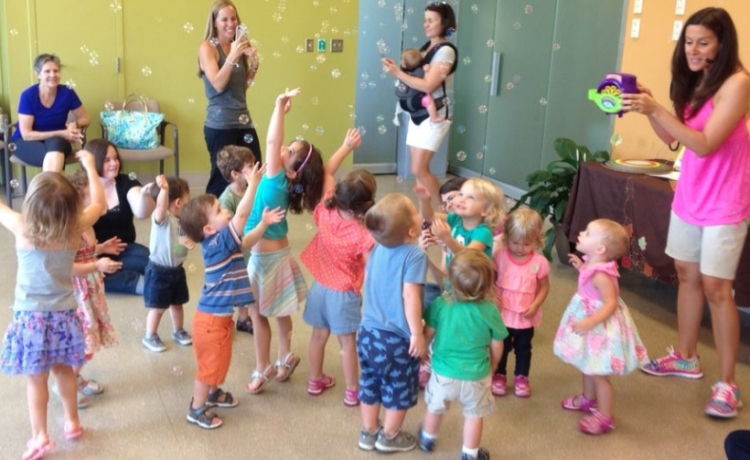
Parents can easily introduce music into daily routines through singing, dancing, and playful sound activities. Playing calming music during study time or energetic songs during playtime can improve children’s mood and focus. Simple activities like homemade instruments and family sing-alongs encourage creativity and bonding. Introducing music at home helps children develop emotional expression and a stronger interest in learning.

Classroom Music Activities That Students Love
Interactive music activities make classrooms more exciting and enjoyable for students. Teachers can include dance breaks, rhythm clapping, and musical storytelling to keep children engaged during lessons. These activities improve attention spans and encourage active participation. Fun music sessions also help reduce boredom and create a positive atmosphere that supports learning and creativity.
How Music Improves Social Skills in Children
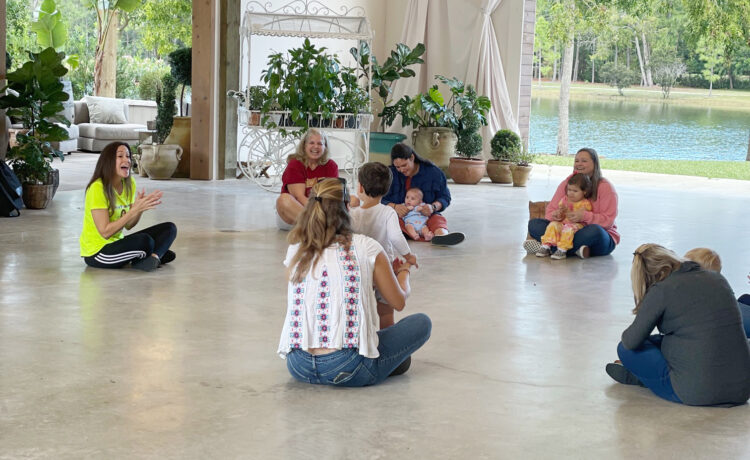
Music activities encourage children to interact, communicate, and work together in groups. Singing songs, playing instruments, and participating in rhythm games help students develop teamwork and listening skills. These activities create opportunities for children to express themselves confidently while learning to respect others. Music also helps build friendships and creates a more inclusive learning environment for young learners.
Easy Musical Games for Preschool Children
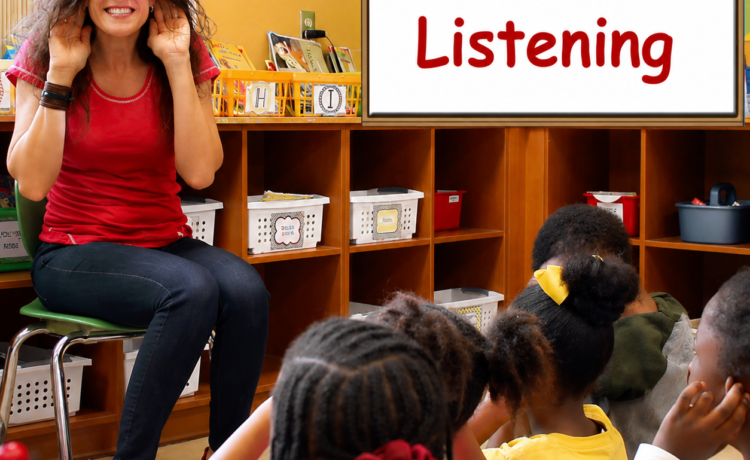
Musical games are an effective way to help preschool children learn while having fun. Games involving movement, rhythm, and singing improve motor skills and teamwork. Activities like musical chairs, clap patterns, and sound matching help children develop coordination and listening abilities. These games also keep children active and excited about learning new skills.

Why Every Classroom Should Include Music
Music creates a positive and energetic learning environment in classrooms. It helps students stay focused, reduces stress, and improves participation during lessons. Teachers can use songs and rhythm activities to make subjects more interactive and memorable. Including music in education supports both academic growth and emotional development for children of all ages.
Creative Music Lessons for Young Learners
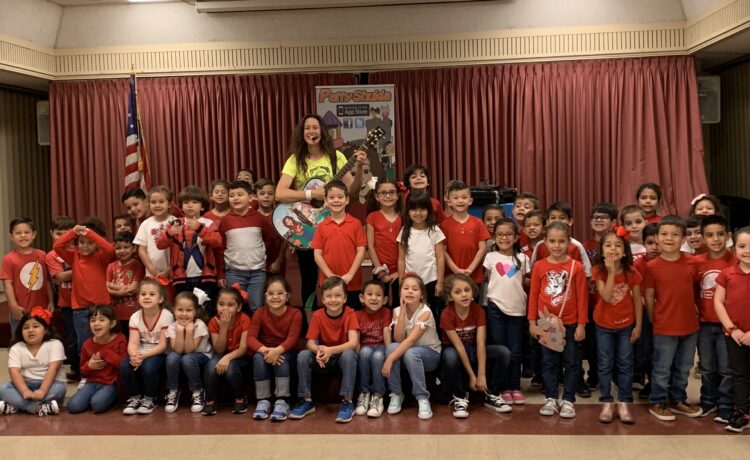
Creative music lessons make learning enjoyable and engaging for young students. Teachers can combine storytelling, movement, and rhythm exercises to create interactive classroom experiences. Using fun activities keeps children interested while improving coordination and communication skills. Creative music sessions also encourage imagination and help children feel more confident in expressing themselves.
The Connection Between Music and Brain Development
Research shows that music has a positive impact on brain development in children. Listening to and practicing music improves concentration, memory, and problem-solving skills. Musical activities activate different parts of the brain, helping children process information more effectively. Music education can also support emotional well-being and improve academic performance over time.
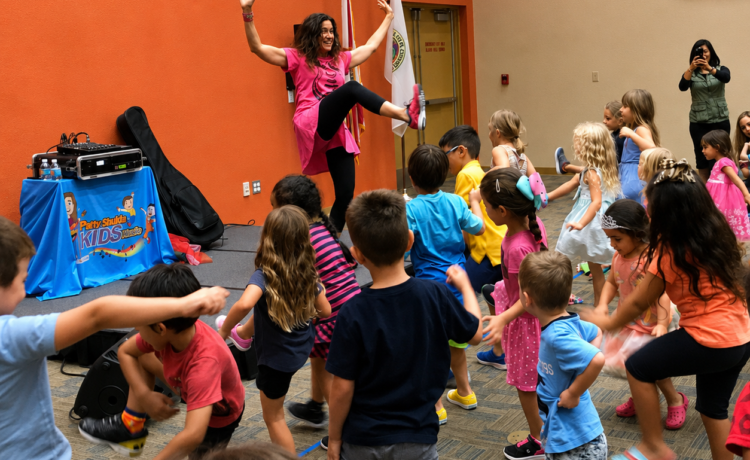
Fun Home Music Activities for Families
Families can enjoy quality time together through simple home music activities. Parents can organize dance sessions, karaoke nights, or rhythm games using household items as instruments. Music activities encourage communication and create happy memories for children. These experiences also help strengthen family bonds while supporting learning and creativity at home.
Building Confidence Through Singing
Singing allows children to express themselves and build self-confidence in a supportive environment. Group singing activities encourage teamwork, communication, and creativity. When children learn and perform songs, they develop stronger speaking and listening skills. Singing also helps shy students participate more comfortably in classroom activities and social interactions.
Transition Songs for Classroom Management
Transition songs help teachers smoothly move students from one activity to another. Singing short and cheerful songs during cleanup, lunchtime, or reading time can reduce distractions and improve classroom behavior. Children respond positively to music cues because they create structure and consistency. These songs also make classroom transitions more enjoyable and less stressful for students.